



What is JOINPASS?
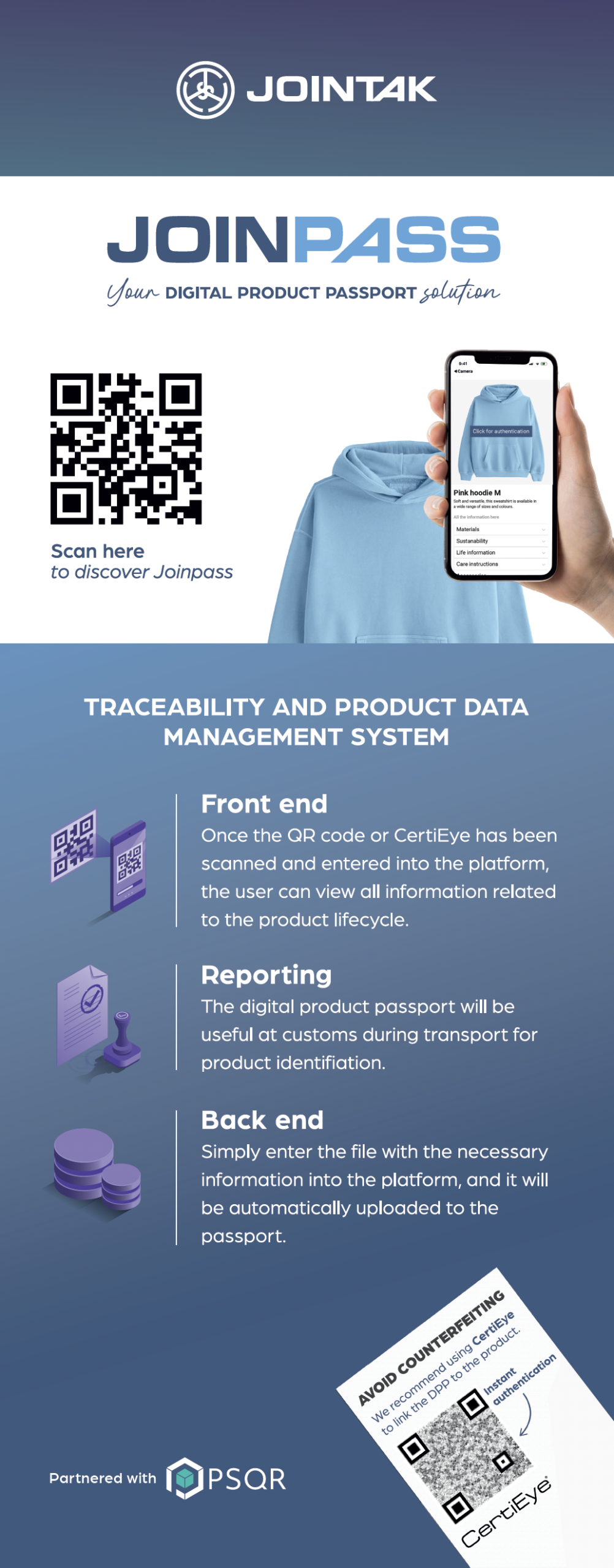
JOINPASS is Jointak’s comprehensive Digital Product Passport (DPP) solution, giving consumers transparent access to product origin, materials, sustainability data, and care information. It enhances trust, supports informed purchasing, and strengthens brand engagement. As the only fully integrated platform of its kind, JOINPASS can be combined with CertiEye® to add secure, patented product authentication for complete end-to-end assurance.
Digital Product Passports in Apparel:
Transforming Transparency and Sustainability
A Digital Product Passport (DPP) is rapidly becoming one of the most important developments in the apparel and textile sector. As global regulations evolve, particularly within the European Union, fashion brands, retailers and manufacturers are adopting DPP solutions to meet compliance obligations, strengthen traceability, and create greater value throughout the garment lifecycle.
What Is a Digital Product Passport in Apparel?
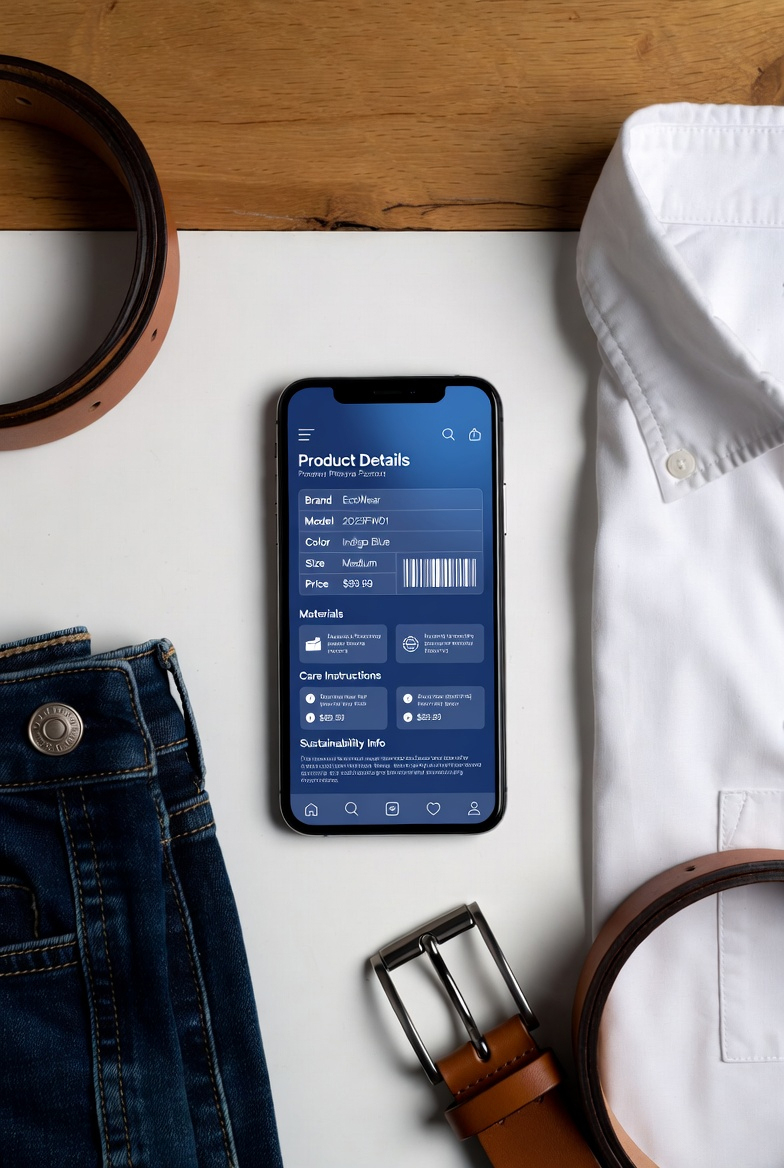
A Digital Product Passport is a structured digital record that stores verified information about a garment from raw material sourcing through to end of life. In the apparel industry, DPPs commonly include:
- Fibre composition and origin
- Details of mills, dye houses, trim suppliers and garment factories
- Certifications (OEKO-TEX, GRS, GOTS, etc.)
- Chemical management and compliance information
- Product durability, care instructions and repairability
- Carbon footprint, water impact and sustainability metrics
- Recycling pathways for post-consumer garments
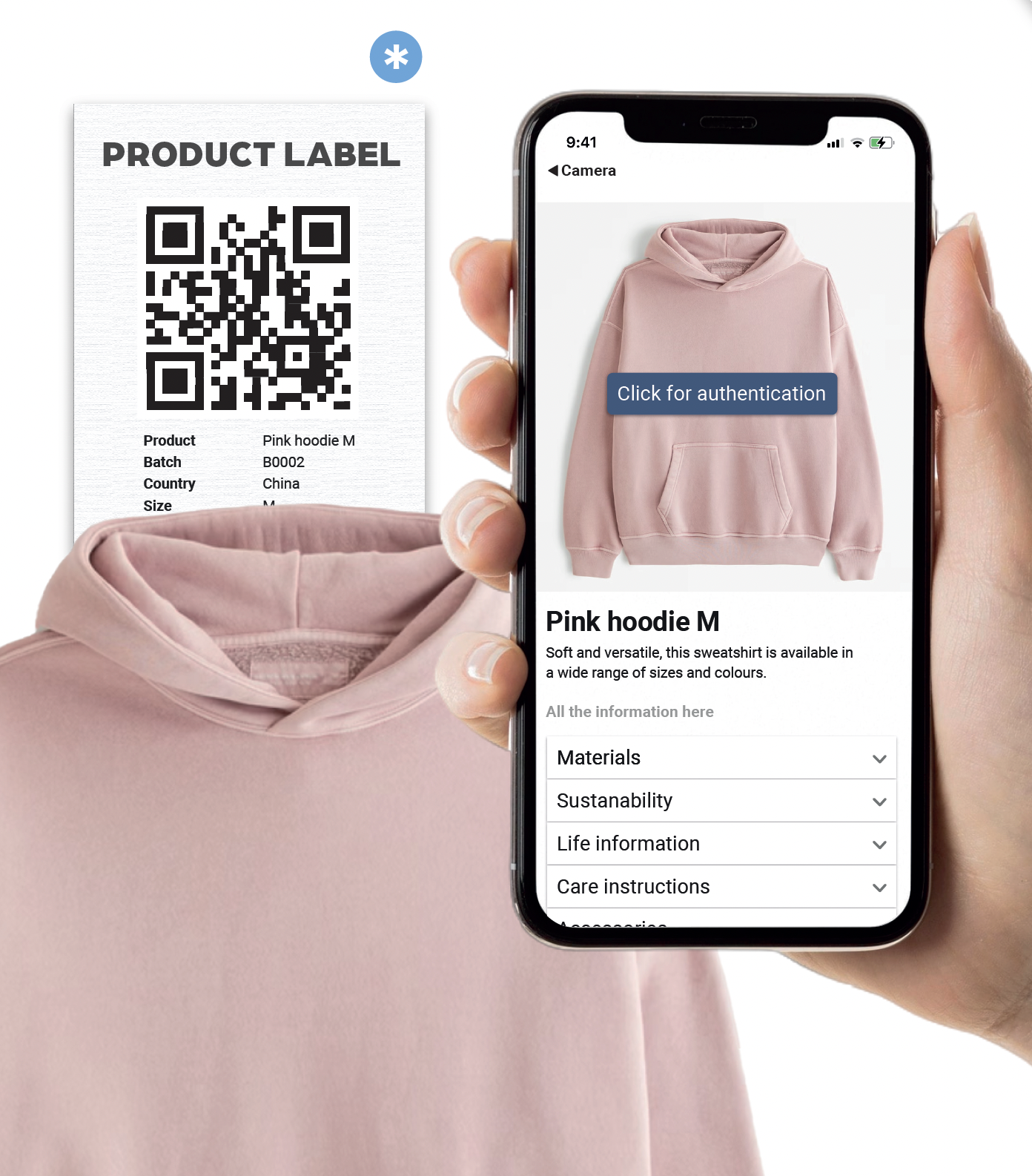
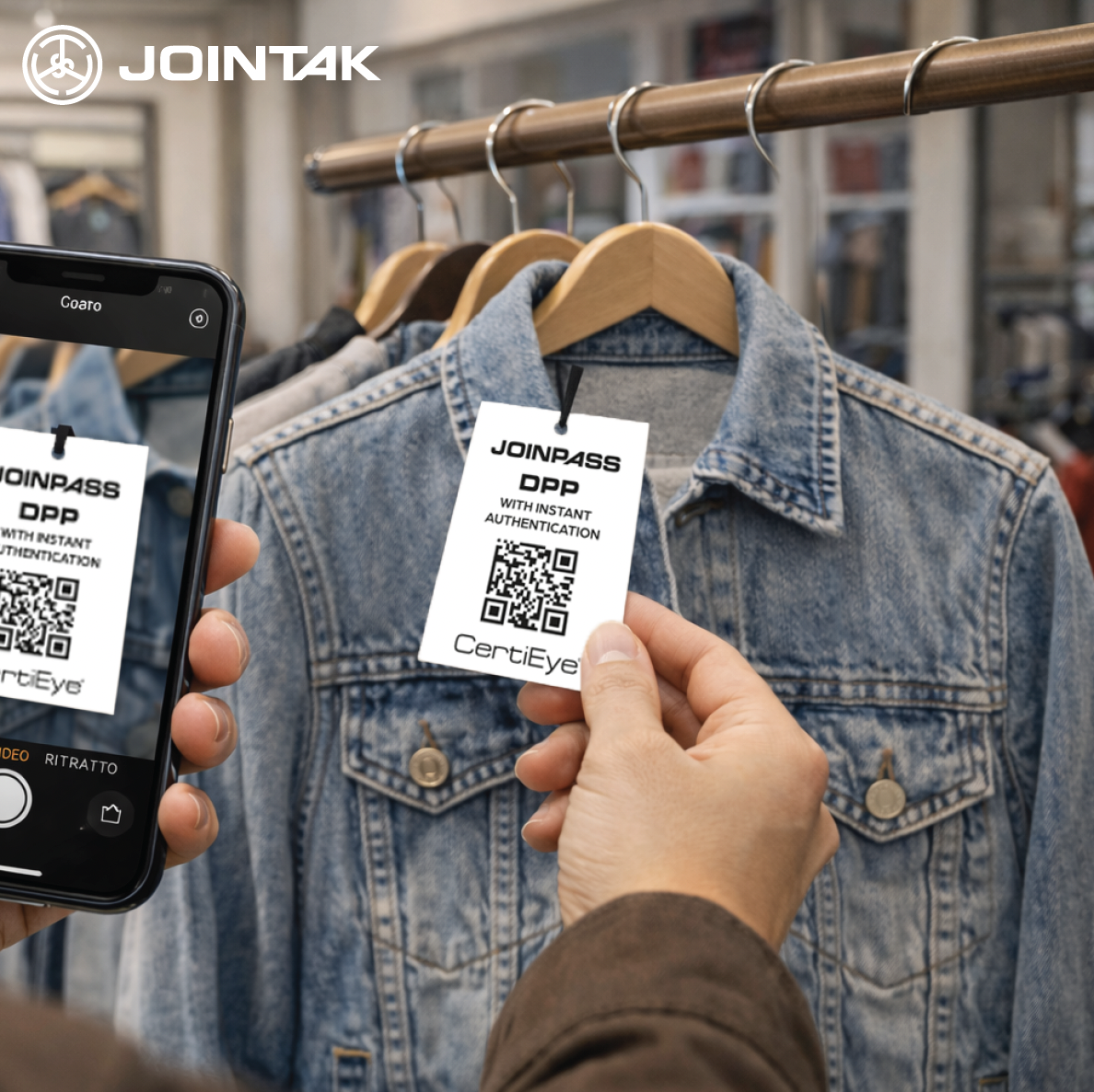
The passport is linked to the physical garment through a QR code, NFC or RFID label, allowing all stakeholders to access transparent and trusted product information.
In essence, a DPP gives brands a single digital identity for every garment, verifiable, traceable and built for circularity.
How DPP Works Across the Apparel Supply Chain
1. Data Collection from Each Supply-Chain Stage
Information is gathered from fibre producers, spinners, mills, dye houses, trim suppliers, garment manufacturers and certifying bodies. This may include:
- Fabric compositions
- Fabric test results
- Worker welfare compliance data
- Dye and chemical usage
- Chain-of-custody documentation
This data is uploaded to a secure DPP platform.
2. Assigning a Unique Digital Identity
Each garment receives a unique digital profile. A scannable code or embedded tag is applied through a woven label, heat transfer label, care label or RFID item.
3. Lifecycle Data Updates
As the garment moves through production and into the consumer market, additional information can be added, such as:
- Distribution and retail events
- Repairs, alterations or warranty services
- Authentication checks
- Resale, rental or circular programs
- End-of-life recycling outcomes
This creates a complete and evolving digital record for the garment.
4. Accessibility for All Stakeholders
Different users access relevant fields:
- Consumers verify sustainability, authenticity and care information
- Brands gain supply-chain visibility
- Retailers access product and compliance data
- Logistics providers can scan for tracking
- Recyclers receive fibre content based instructions
Information can be shared selectively and securely.
Key Benefits and Value of DPP in Apparel
1. Compliance with Emerging Global Regulations
Apparel is one of the first industries to be targeted by DPP legislation. Early adoption ensures brands meet upcoming European Union requirements and stay aligned with global sustainability standards.
2. Stronger Consumer Trust and Brand Credibility
Shoppers increasingly demand transparency. Through a simple scan, consumers can access a vast array of garment specific information. This enhances loyalty and reinforces responsible brand positioning.
3. Better Supply-Chain Control and Efficiency
The apparel supply chain is fragmented and complex. DPP provides clarity by:
- Reducing manual paperwork
- Improving material mapping
- Enhancing traceability across tiers
- Accelerating compliance checks
- Supporting more accurate ESG reporting
Brands gain reliable, real-time data from source to store.
4. Enabling Circularity and Extended Product Life
With full visibility from fibre to end-of-life, brands can:
- Facilitate repair services
- Support textile-to-textile recycling
- Enable resale and rental markets
- Recover materials through take-back programs
This leads to reduced waste and a more sustainable product lifecycle.
5. Reducing Counterfeit Apparel Risks
DPP provides digital authenticity features when combined with our patented CertiEye® anti-counterfeit technology. This helps to protect:
- Premium garments
- Designer items
- Uniforms and workwear
- Limited-edition releases
Unique digital identities make unauthorised duplication significantly harder.
6. Smarter, Data-Driven Product Decisions
Understanding material choices, environmental performance and consumer usage patterns allows brands to design better, more durable and more sustainable garments.
Why Apparel Brands Are Investing in DPP Now
Fashion companies are recognising that DPP is more than a compliance tool – it’s a strategic investment. Early adopters gain advantages such as:
- Improved resource efficiency
- Greater supply-chain transparency
- Stronger sustainability communication
- Enhanced product differentiation
- Better alignment with consumer expectations

CERTIEYE®
What is CertiEye®?
CertiEye® is a fully patented, non-replicable anti-counterfeit solution that delivers instant product authentication and brand protection via a smartphone. Its unique technology ensures the Certi Marks cannot be copied or duplicated, empowering brands and consumers with absolute confidence. When combined with the Digital Product Passport, all stakeholders gain access to a comprehensive solution that verifies all required DPP compliance data while also enabling instant product authentication. Learn more at www.certieye.com
As the global shift toward circularity gains momentum, Digital Product Passports are set to become a standard practice across the industry. With DPP expected to become a mandatory requirement within the European Union in 2027, now is the ideal time to begin preparing. We invite you to contact our team to discuss how we can support your transition.